Constant operation of the refrigerator
Nothing can be more irritating than a refrigerator that does not turn off. Constant humming and noise, combined with increased electricity consumption, can not only create unpleasant living conditions, but also significantly increase the electricity bill. Therefore, it is important to consider the causes of this problem and find possible solutions.
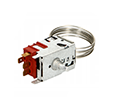
One of the most common reasons why the refrigerator does not turn off is a faulty thermostat. The thermostat controls the temperature inside the refrigerator and signals to stop working when the desired level is reached. If the thermostat is faulty, it may not detect temperature changes and keep the refrigerator constantly on. In this case, thermostat replacement or repair is required.
Another potential cause of the problem is the contamination or overload of the cooling system. If the condenser or evaporator is very dirty or overloaded, this can cause the refrigerator to run continuously. To solve this problem, it is necessary to clean the cooling system from dust and dirt. It is also important to make sure that the refrigerator is not overloaded with products, as this can reduce its efficiency and lead to continuous operation.
Sometimes the cause of the constant operation of the refrigerator may be improper use. For example, if the refrigerator door is not tightly closed or constantly opened and closed, warm air enters inside, causing overload of the cooling system and increasing electricity consumption. In this case, it is important to check the condition of the refrigerator door and make sure it closes correctly and securely.
If all the above measures did not help solve the problem, it is necessary to seek help from professionals. They will be able to diagnose the refrigerator, identify the cause of the malfunction, and perform the repair or replacement of necessary components.
In conclusion, constant operation of the refrigerator can cause a multitude of problems, including increased electricity consumption and noise. The causes can range from a faulty thermostat to contamination of the cooling system or improper use. It is important to consider each cause and take necessary actions to solve the problem. If self-action did not help, it is best to contact specialists who can deal with the malfunction and restore the normal operation of the refrigerator.